Pump.
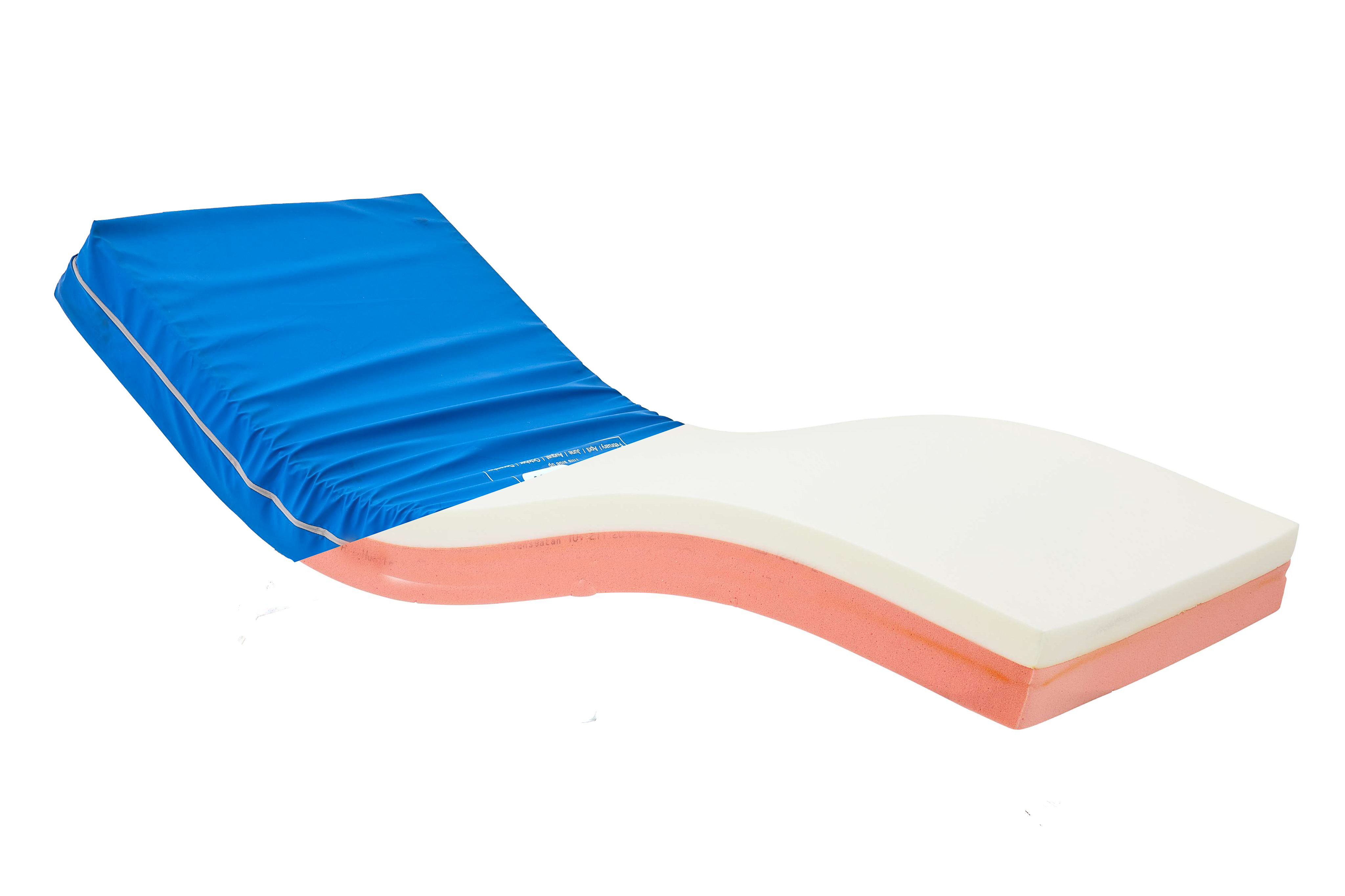
Gel support surface intended to assist in the reduction of hospital-acquired pressure ulcers when implemented as a part of a thorough pressure ulcer prevention and risk-based patient management program. The product is intended to be implemented in combination with clinical evaluation of risk factors and skin assessments made by a healthcare professional.
Alternating pressure redistribution system designed for emergency room stretchers, helping in maintaing contact pressure below P.O.C. (32 mmHg) for 100% of time while patient is waiting for treatment. The surface is divided into three anatomical zones—head, trunk, and heels—to enable highly specific and precise management of interface pressures. Equipped with a battery-powered module that ensures active dynamic function for up to 6 hours in the absence of mains electricity, providing uninterrupted therapy and optimal management of patients at risk of developing pressure injuries.
Advanced pressure relief system with high airflow for microclimate management, replacing the standard hospital matress. The Silent Flow Technology uses microperforation on the lateral sides of the mattress to generate a constant airflow improving microclimate control. Silent Flow allows to reach a diffusive evaporation index of 1870 g/m²/24h, almost double compared to standard systems. Dual-Drive™ technology independently regulates the two inflation lines via high-efficiency micro-turbines, enabling rapid load compensation and stable operating pressures. Silent Flow and Dual drive technology avoids heat build up on the surface ensuring the optimal microclimate control. Beyond standard static and dynamic modes, the system provides Immersion therapy to simulate the effects of a body in a fluid and Wave therapy, a high-frequency (10 s) 1:1 alternating function.
Advanced freeform polyurethane foam dressing in aluminised polyethene packaging. The dressing is obtained by mixing two components: polyol (with the addition of nanocrystalline boehmite) and isocyanate. When applied to the wound, the foam mass forms a fine-pored elastic coating of 0.8–1.0cm thickness. The dressing is designed to maintain a moisture-rich environment to provide optimal conditions for wound healing, while managing exudate and reducing the risk of infection. It is intended to promote faster recovery and increased comfort, reducing recovery time, costs and the risk of complications associated with traditional dressings.
Gel support surface intended to assist in the redistribution of pressure specific to the individual needs of the patient when implemented as a part of a thorough pressure ulcer prevention and risk-based patient management program. The product is intended to be implemented in combination with clinical evaluation of risk factors and skin assessments made by a healthcare professional.
Synthetic dermal scaffold that provides an effective reconstructive option for a range of complex wounds. The Biodegradable Temporising Matrix (BTM) enables the generation of a vascularised neodermis, which provides a more robust foundation for wound reconstruction than grafting alone, limiting wound scarring and contracture.
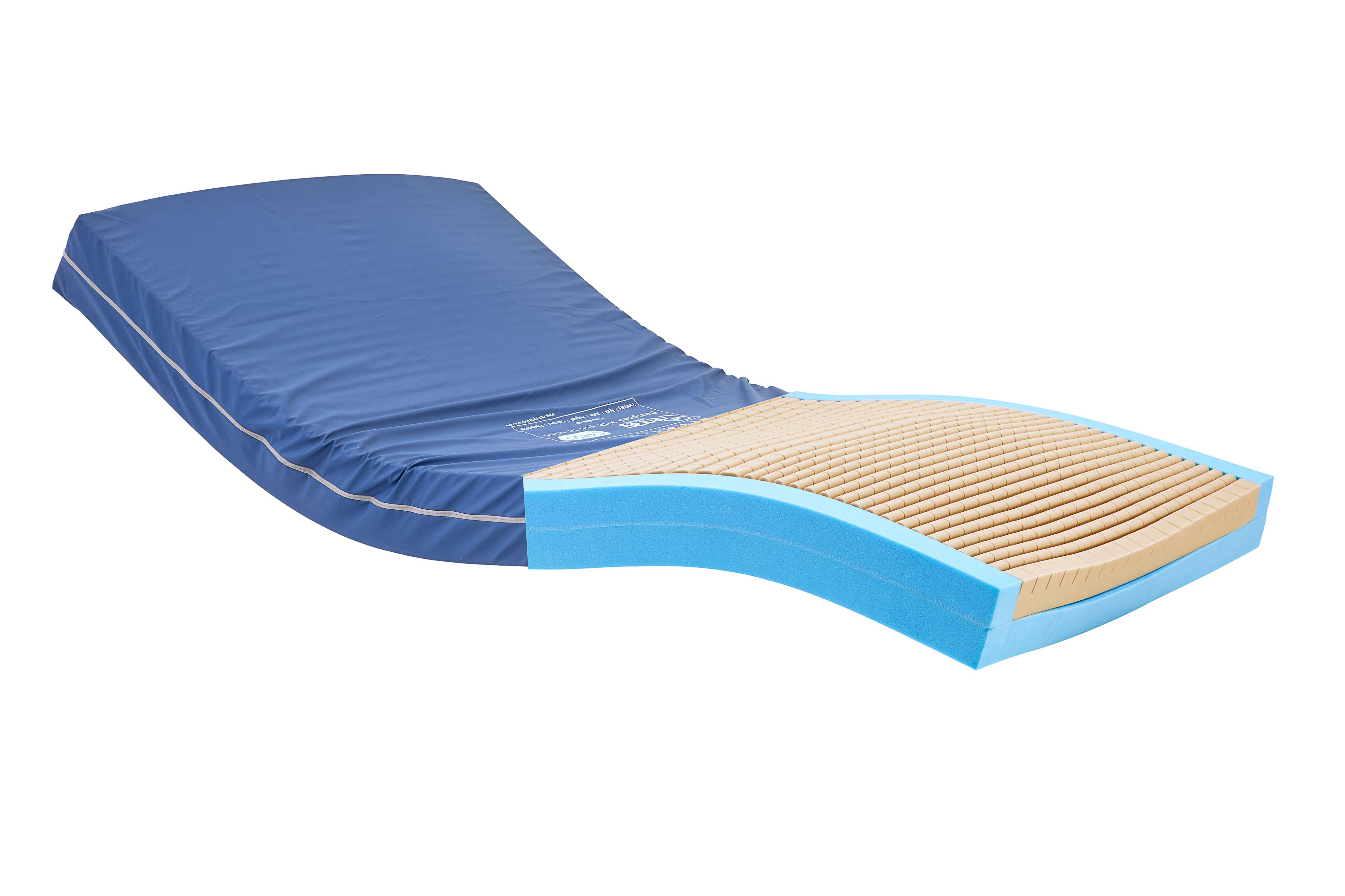
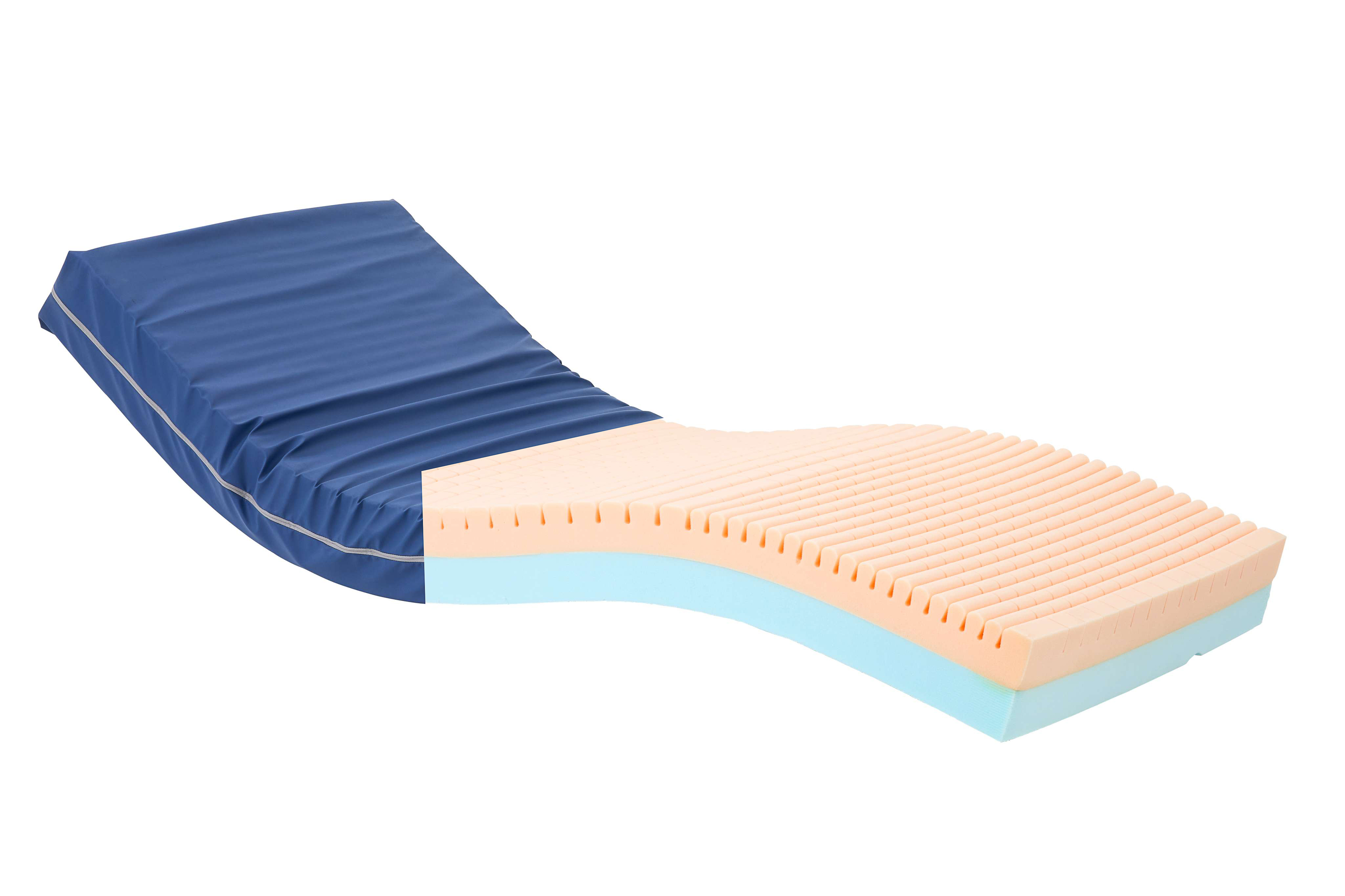
Under-mattress automatic lateral-tilt device that gently and periodically tilts the user into a 30° side-lying position alternating left and right, thereby redistributing pressure and reducing prolonged tissue loading. It is used together with the Leva Flex pressure-relief foam mattress — either the single-core or dual-core “Twin” version — to enhance pressure redistribution and reduce shear when turning or raising the bed.
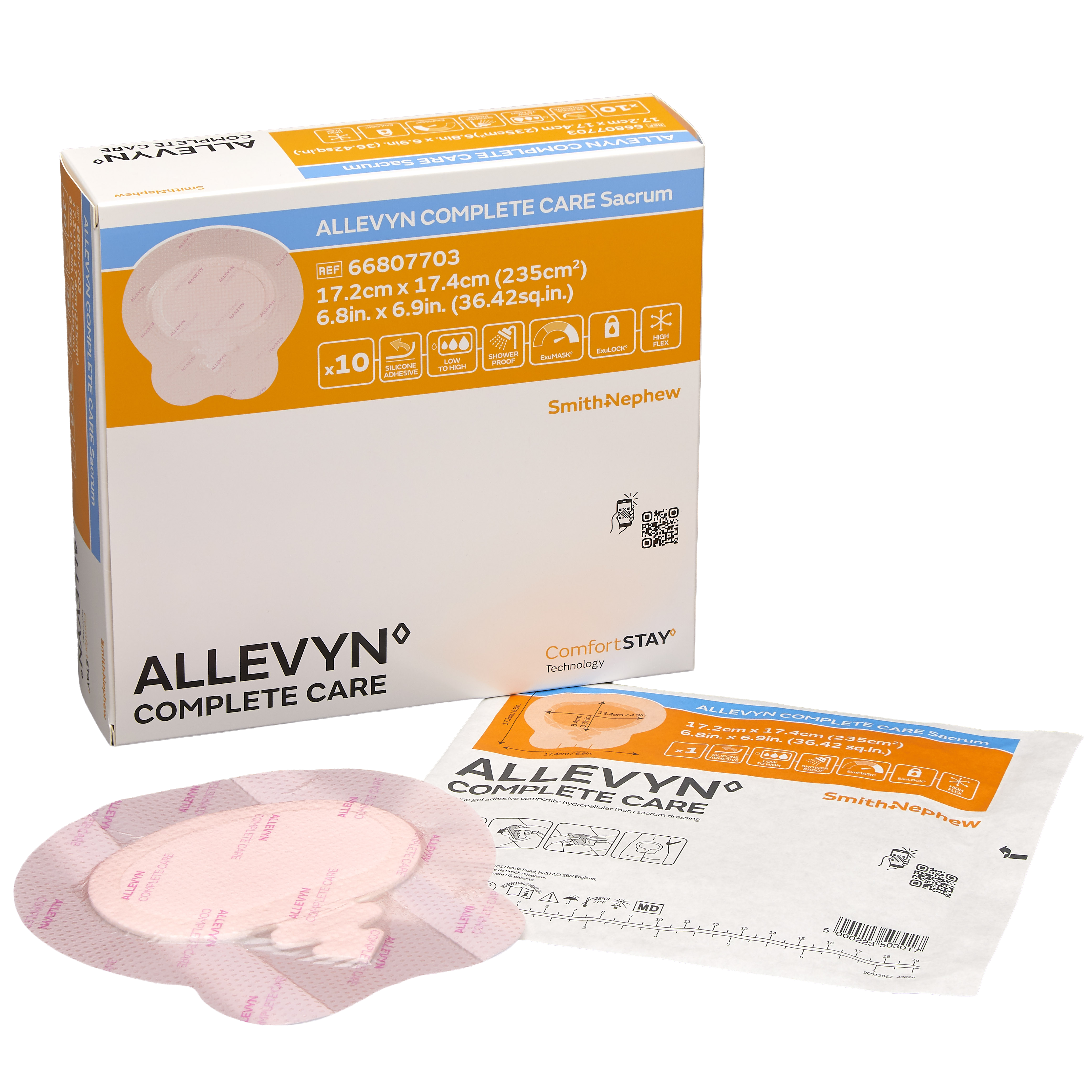
Adhesive sterile Hydrofiber foam wound dressing, consisting of a showerproof, breathable outer polyurethane film, a multi-layered absorbent central pad and a perforated silicone adhesive wound/skin contact layer. The multi-layer absorbent pad contains polyurethane foam, superabsorbent fibres and Hydrofiber (sodium carboxymethylcellulose).
Adhesive sterile Hydrofiber foam wound dressing, consisting of a showerproof, breathable outer polyurethane film, a multi-layered absorbent central pad and a perforated silicone adhesive skin contact border. The multi-layer absorbent pad contains polyurethane foam, superabsorbent fibres and a Hydrofiber (sodium carboxymethylcellulose) wound contact layer.